
Fayetteville, Arkansas
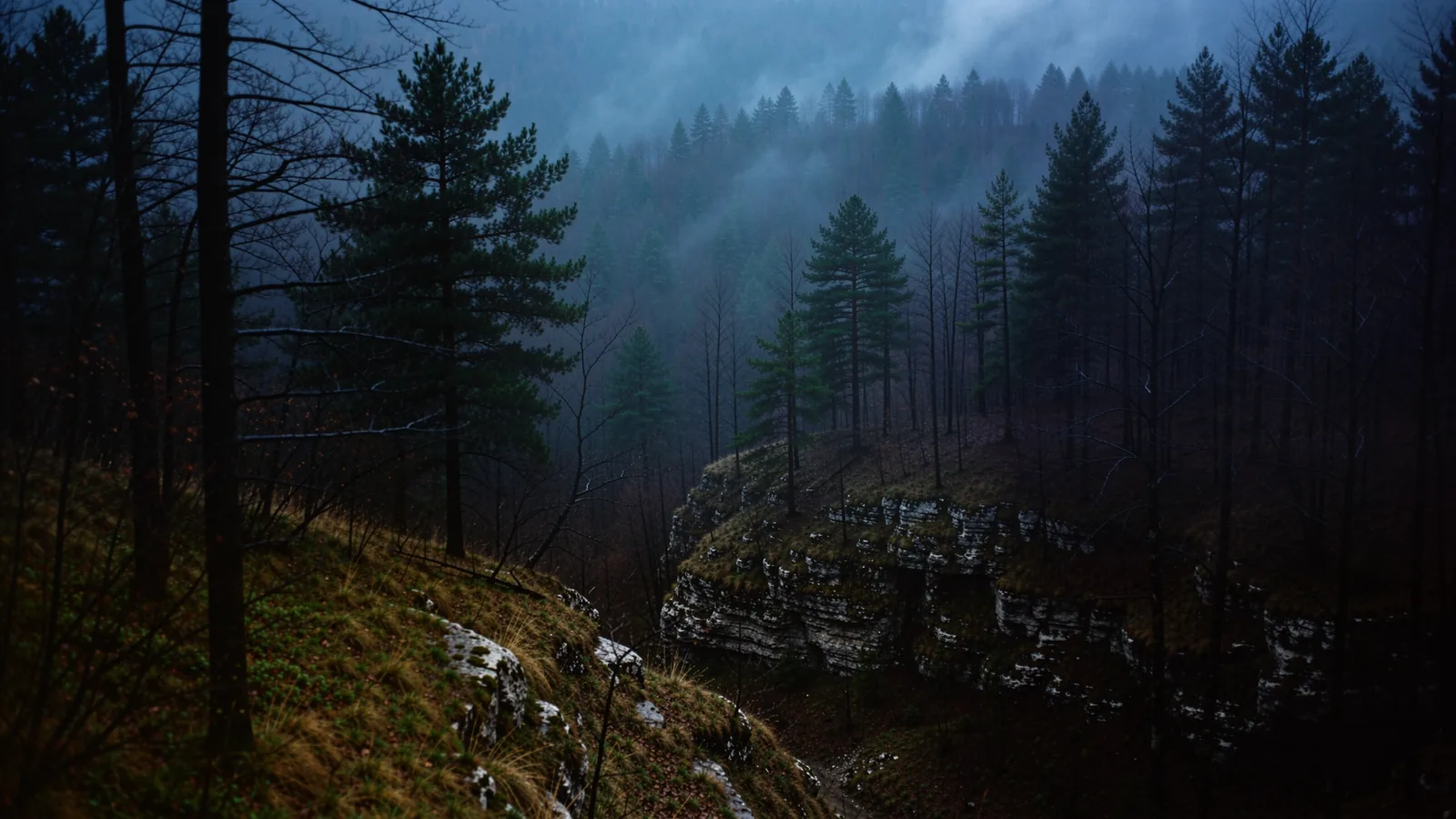
The Washington County seat where the Springfield Plateau meets the Boston Mountains — historic square and university town, with wooded ridges at the edge of every neighborhood.
Fayetteville Historic Square — the city center since 1829, with National Register commercial blocksOld Main and the University of Arkansas campus — the 1875 brick-and-sandstone landmark and its National Register campus districtWilson Park and the adjacent historic district of 47 late-19th and early-20th-century homesMount Sequoyah, rising on the city's east sideRazorback Regional Greenway — 40 miles of trail, a National Recreation Trail since 2023
Pest notes here
-
Eastern subterranean termites
They forage at, near or below ground level across the whole region — spring swarms indoors and shed wings on windowsills are the classic signs.
High -
Ticks (lone star, American dog tick, blacklegged)
Creek valleys and wooded ridges run through the city; lone star ticks are aggressive biters with a three-wave season from March into September.
High -
Mosquitoes
Roughly April through October with a mid-summer peak — storm water in creek bottoms and containers around yards is the driver.
Seasonal -
Brown recluse spiders
Arkansas is inside their documented range; they favor dry, undisturbed storage. Reliable ID is six eyes in three pairs, not the violin mark.
Moderate -
Ants (odorous house, carpenter)
Odorous house ant colonies have multiple queens, so spraying visible trails rarely finishes them; carpenter ants concentrate where moisture collects.
Moderate -
Rodents (house mice, deer mice)
Pressure rises in cool weather; deer mice are the regional hantavirus carriers, so exclusion and wet cleanup are the controls that hold up.
Moderate -
Bed bugs
No local incidence data exists — bed bugs travel with people wherever housing turns over. Panic and dumped furniture make things worse; identification first.
Low -
Wildlife (bats, squirrels, raccoons)
Ridge and creek edges push denning wildlife toward rooflines in spring; closing entry points beats removal alone.
Moderate
Homes and pests in Fayetteville
Fayetteville's housing runs from National Register districts of late-19th-century cottages to subdivisions built through the 2020s. Older homes tend toward crawlspaces, wood-to-soil contact and settled landscaping; newer ones bring irrigation, mulch beds and landscape timbers. Ask an inspector to identify the foundation type, accessible voids, storage conditions and additions at your building — age alone tells them where to look, not what is there.
About 47 inches of rain a year with a pronounced wet spring peaking in May, July highs near 89°F and mild winters — roughly a seven-month insect season, spring standing water, and a winter that never fully resets rodent and wildlife pressure.
Pest control services
-
Termite control
Spring swarms, mud tubes and hidden damage — what to look for and how subterranean termites are actually treated.
Learn more -
Mosquito and tick control
March through September along every tree line in the county — protection that works and the habits that help.
Learn more -
Ant control
Kitchen trails that keep coming back are usually a colony problem, not a spray problem.
Learn more -
Rodent control
Mice and rats move in when the weather turns — exclusion and cleanup do the lasting work.
Learn more -
Bed bugs
Identification first, panic never. What treatment involves and how to compare the proposals.
Learn more -
Spider control
Brown recluses are real here — where they settle, how to identify them and when to call.
Learn more -
Wildlife removal
Bats, squirrels and raccoons in the structure — exclusion at the right time beats removal alone.
Learn more -
Commercial pest control
Scheduled service for shops, restaurants and rental properties across Washington County.
Learn more