
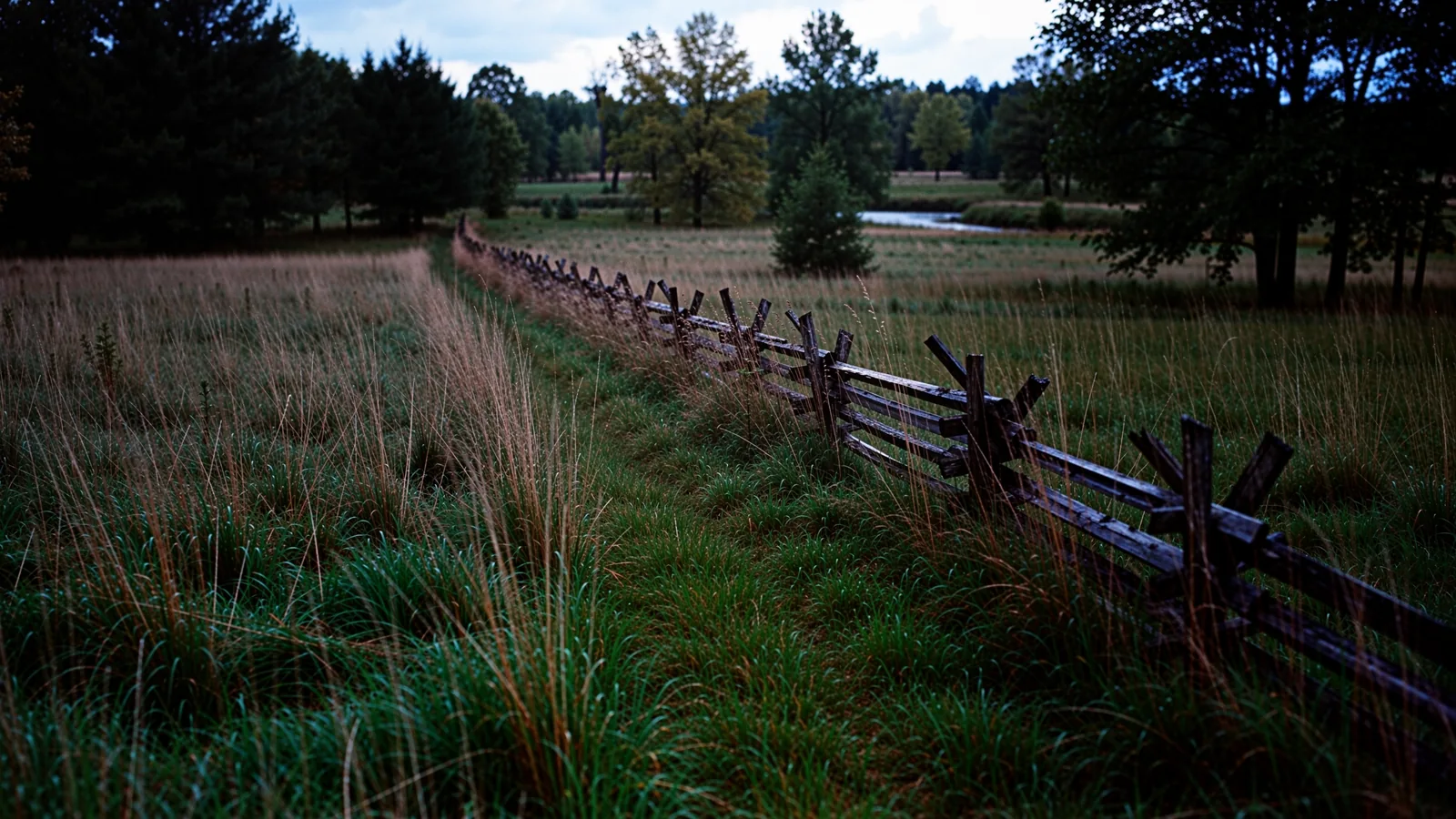
Prairie Grove, Arkansas
Prairie ground watered by the Illinois River at the edge of the Lower Boston Mountains, with the 1862 battlefield preserved across 707.8 acres beside town.
Prairie Grove Battlefield State Park — 707.8 acres preserving the December 7, 1862 battlefieldThe Clothesline Fair — an artists' and craftspeople's fair held in Prairie Grove since 1951Downtown Prairie Grove's historic commercial buildings — the town's established centerThe Illinois River — the watercourse that defines the town's prairie ground
Pest notes here
-
Eastern subterranean termites
Both new construction and century-old farmsteads give them ground contact to work with; spring swarms and discarded wings are the classic signs.
High -
Ticks (lone star, American dog tick)
Field margins, brushy breaks and the park's open-and-wooded ground run through the warm months — check yourself and pets after time outside.
Seasonal -
Mosquitoes
Illinois River bottom ground and prairie dips hold standing water after spring storms; only female mosquitoes bite.
Seasonal -
Rodents (deer mice, house mice)
Open prairie pushes mice toward outbuildings and garages as the weather cools; deer mice are the regional hantavirus carriers, so exclusion and safe cleanup matter.
Moderate -
Wildlife (raccoons, bats, squirrels)
Properties next to the park's wooded ground see spring bat maternity colonies and denning raccoons in attics and garages.
Moderate -
Brown recluse spiders
They favor dry, undisturbed spaces like storage rooms and cardboard; reliable ID is six eyes in three pairs, not the violin mark.
Moderate
Homes and pests in Prairie Grove
New prairie-edge subdivisions, older in-town housing and farmsteads at the edge of town all sit within the same few square miles. Older homes tend toward crawlspaces, wood-to-soil contact and settled landscaping; newer ones toward irrigation and mulch beds — each with its own entry points. Have an inspection cover foundation type, accessible voids, storage and additions before anything is quoted.
The regional pattern here is a pronounced wet spring peaking in May, hot humid summers and mild winters — a long insect season, and rodent and wildlife pressure that never fully resets over winter.
Pest control services
-
Termite control
Spring swarms, mud tubes and hidden damage — what to look for and how subterranean termites are actually treated.
Learn more -
Mosquito and tick control
March through September along every tree line in the county — protection that works and the habits that help.
Learn more -
Ant control
Kitchen trails that keep coming back are usually a colony problem, not a spray problem.
Learn more -
Rodent control
Mice and rats move in when the weather turns — exclusion and cleanup do the lasting work.
Learn more -
Bed bugs
Identification first, panic never. What treatment involves and how to compare the proposals.
Learn more -
Spider control
Brown recluses are real here — where they settle, how to identify them and when to call.
Learn more -
Wildlife removal
Bats, squirrels and raccoons in the structure — exclusion at the right time beats removal alone.
Learn more -
Commercial pest control
Scheduled service for shops, restaurants and rental properties across Washington County.
Learn more