
Farmington, Arkansas
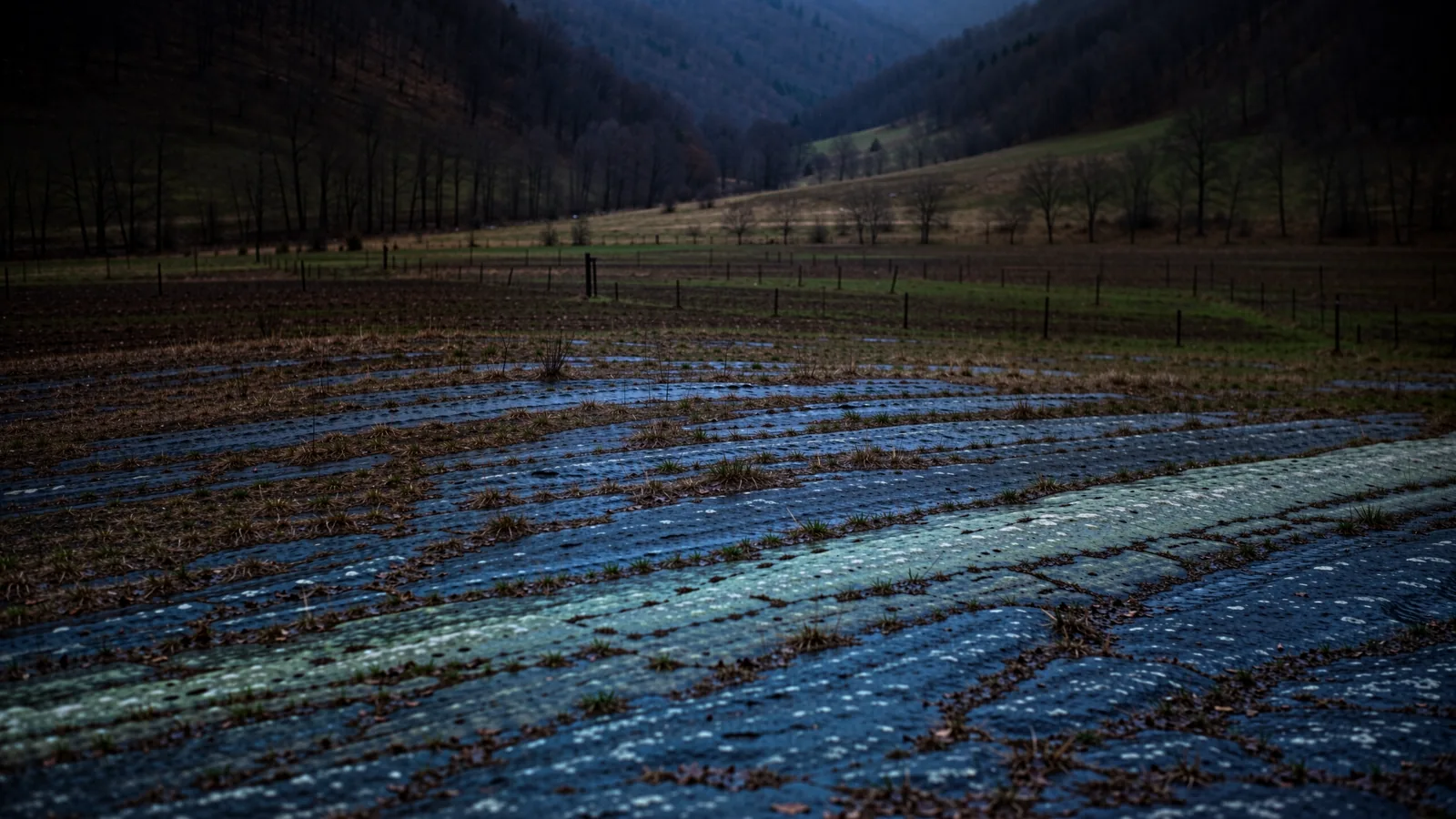
A wide valley town west of Fayetteville where subdivisions built this decade stand beside the farmsteads that shipped strawberries and grapes by rail in the 1890s.
The old St. Louis–San Francisco (Frisco) railway line — the route Farmington's strawberries and grapes traveled to market in the 1890sPrairie Grove Battlefield State Park — 707.8 acres of preserved battlefield a short drive westFayetteville Historic Square — the county seat's center since 1829, a short drive east
Pest notes here
-
Eastern subterranean termites
They forage at, near or below ground level across the region regardless of building age; mulch and timbers against the foundation are worth moving.
High -
Ticks (lone star, American dog tick)
Field and woodlot edges keep them close from March into September; lone star ticks bite people aggressively.
Seasonal -
Mosquitoes
Roughly April through October with a mid-summer peak — standing water after spring rains and irrigation runoff is the driver.
Seasonal -
Odorous house ants and carpenter ants
Odorous house ant colonies have multiple nests and queens, so spraying visible trails rarely finishes them; carpenter ants concentrate where moisture collects.
Moderate -
Rodents (house mice, deer mice)
Pressure rises in cool weather as they move indoors; farmstead outbuildings give them shelter near the house.
Moderate -
Brown recluse spiders
Arkansas is inside the documented range and they favor dry, undisturbed storage; reliable ID is six eyes in three pairs, not the violin mark.
Moderate
Homes and pests in Farmington
Farmington's housing splits between subdivisions built through the 2020s and older valley farmsteads. New homes bring irrigation, mulch beds and landscape timbers; farmsteads bring outbuildings, stored wood and settled grades — different entry points, same regional pests. Ask an inspector to cover foundation type, accessible voids, storage and additions before anything is quoted.
About 47 inches of rain a year with the wettest month in May and July highs near 89°F — in practice, a seven-month insect season and a wet spring that leaves standing water in low valley ground.
Pest control services
-
Termite control
Spring swarms, mud tubes and hidden damage — what to look for and how subterranean termites are actually treated.
Learn more -
Mosquito and tick control
March through September along every tree line in the county — protection that works and the habits that help.
Learn more -
Ant control
Kitchen trails that keep coming back are usually a colony problem, not a spray problem.
Learn more -
Rodent control
Mice and rats move in when the weather turns — exclusion and cleanup do the lasting work.
Learn more -
Bed bugs
Identification first, panic never. What treatment involves and how to compare the proposals.
Learn more -
Spider control
Brown recluses are real here — where they settle, how to identify them and when to call.
Learn more -
Wildlife removal
Bats, squirrels and raccoons in the structure — exclusion at the right time beats removal alone.
Learn more -
Commercial pest control
Scheduled service for shops, restaurants and rental properties across Washington County.
Learn more