
Elkins, Arkansas
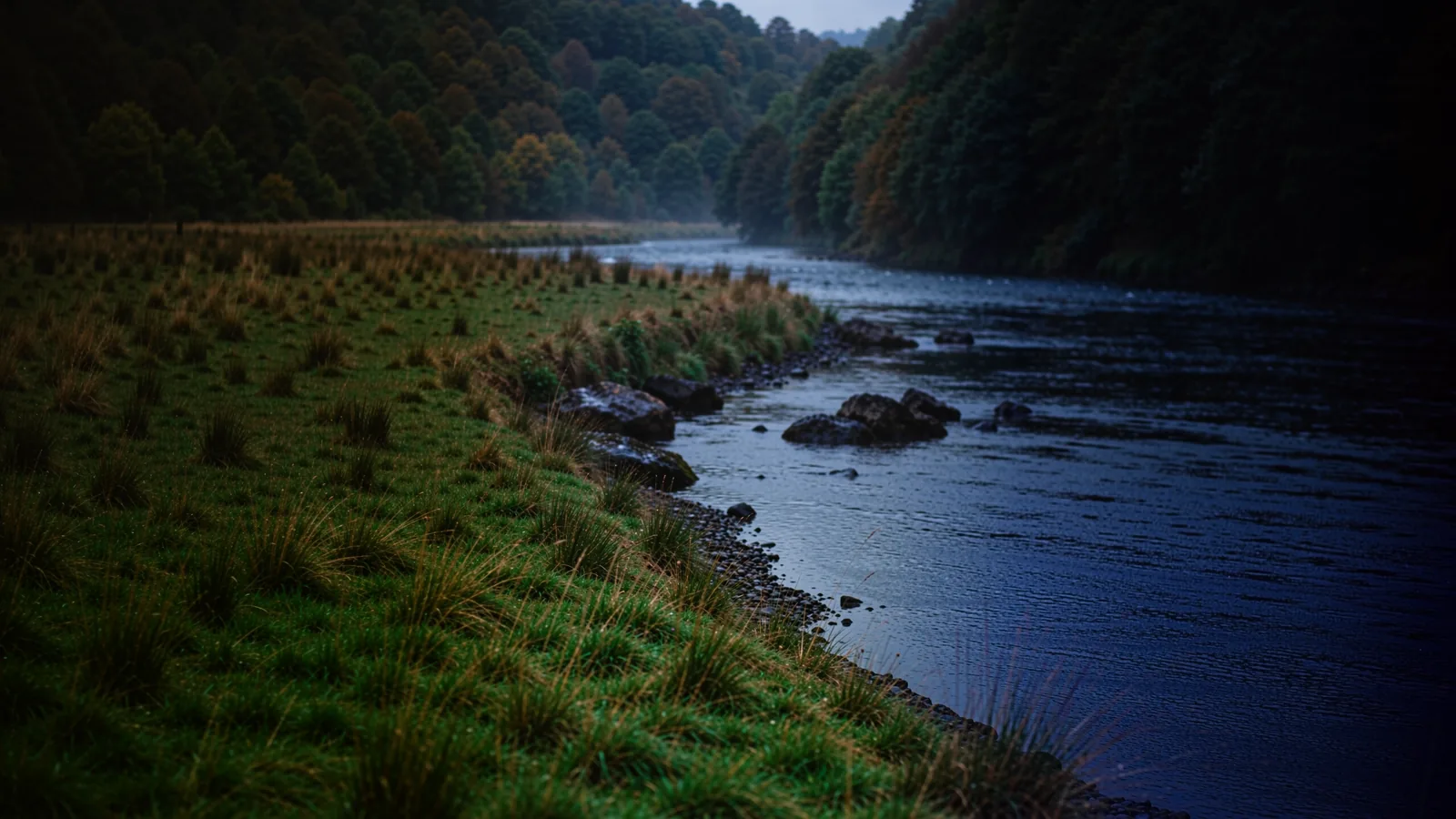
A White River valley town at the entrance to the Pig Trail, where pasture and woodland run right up to the highway.
The White River and its two tributaries through townCollins Mound Site (Mississippian-period mound complex, A.D. 900–1400)Ozark National ForestOzark Highlands TrailThe 'Pig Trail' Ozark scenic drive (Arkansas Highway 16)
Pest notes here
-
Eastern subterranean termites
They forage at and below ground level across this region; spring swarms indoors and shed wings on windowsills are the signs to act on.
High -
Ticks (lone star and others)
Brushy pasture edges and national forest ground begin at the edge of town, so treated clothing and checks after time outdoors are routine from March into September.
High -
Mosquitoes
Creek bottoms and rain-fed low ground give them habitat; dump standing water after spring storms and expect activity through early fall.
Seasonal -
Wildlife (bats, squirrels, raccoons)
Properties adjoining timber see spring denning attempts in attics, especially where soffits and vents are left unscreened.
Moderate -
Brown recluse spiders
Arkansas is inside their documented range; they settle into dry, undisturbed storage — garages, sheds and cardboard worth clearing.
Moderate -
Rodents (deer mice, house mice)
Rural edges mean deer mice are never far away; sealing entry points and safe cleanup of droppings matter more than poison.
Moderate
Homes and pests in Elkins
Elkins housing runs from older town lots along the Highway 16 corridor to scattered homes and acreages on pasture-and-woodland edges, and steady growth has put new building beside older farmsteads. Older places tend toward crawlspaces and settled wood-to-soil contact; rural properties add outbuildings, stored firewood and long foundation runs. Ask an inspector to identify the foundation type, accessible voids, storage conditions and additions at your building — building age alone establishes neither an infestation nor a treatment need.
The region runs humid subtropical — about 47 inches of rain a year, wettest in May, with warm wet springs and hot humid summers. In practice that means a roughly seven-month insect season, storm-fed standing water into early summer, and mild winters that never fully reset rodent and wildlife pressure.
Pest control services
-
Termite control
Spring swarms, mud tubes and hidden damage — what to look for and how subterranean termites are actually treated.
Learn more -
Mosquito and tick control
March through September along every tree line in the county — protection that works and the habits that help.
Learn more -
Ant control
Kitchen trails that keep coming back are usually a colony problem, not a spray problem.
Learn more -
Rodent control
Mice and rats move in when the weather turns — exclusion and cleanup do the lasting work.
Learn more -
Bed bugs
Identification first, panic never. What treatment involves and how to compare the proposals.
Learn more -
Spider control
Brown recluses are real here — where they settle, how to identify them and when to call.
Learn more -
Wildlife removal
Bats, squirrels and raccoons in the structure — exclusion at the right time beats removal alone.
Learn more -
Commercial pest control
Scheduled service for shops, restaurants and rental properties across Washington County.
Learn more